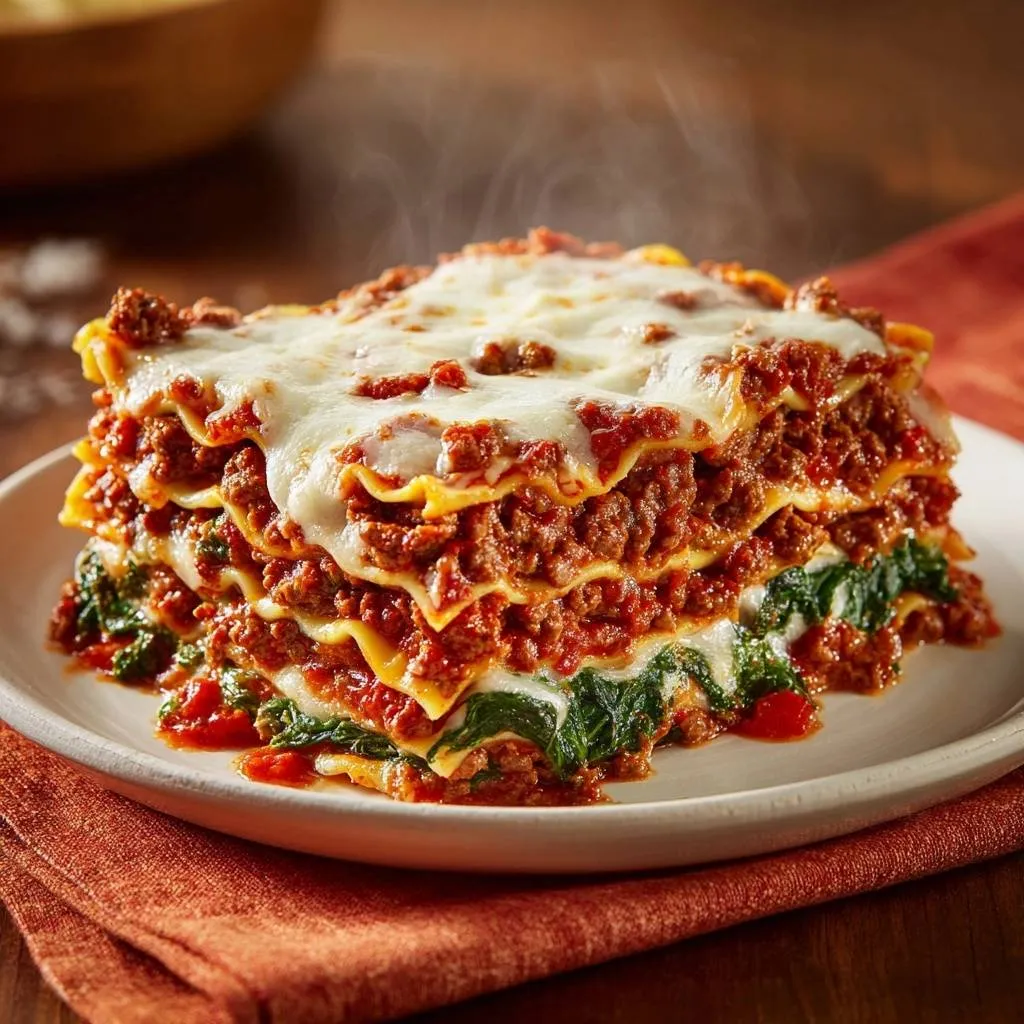
Prevent Soggy Spinach Lasagna: Essential Tips for Perfection
There are few dishes as universally beloved and comforting as a bubbling, cheesy lasagna. The layers of pasta, rich sauce, and creamy fillings make it an irresistible centerpiece for any meal. And for many, the vegetarian delight of spinach lasagna stands out as a particular favorite. However, there's a common culinary challenge that can turn this dream dish into a soggy disappointment: excess moisture. No one wants a watery lasagna that collapses upon cutting! The good news is that achieving that perfect, firm, yet tender consistency is entirely within reach with a few key strategies. This article will delve into the essential tips and techniques to ensure your spinach lasagna is always a triumph of texture and flavor, never a soggy mess.
The Moisture Mission: Taming Your Spinach
When it comes to preventing a soggy spinach lasagna, the star ingredient itself—spinach—is often the primary culprit. Both fresh and frozen spinach contain a surprising amount of water, which, if not properly managed, will leach out during baking, turning your carefully constructed layers into a watery soup. This step is arguably the most critical for a perfect, firm lasagna.
Frozen Spinach: The Squeeze is On
If you're using frozen spinach, the process begins even before mixing. You must thaw it completely and then, most importantly, thoroughly drain and squeeze out every possible drop of liquid. Here's how to do it effectively:
- Thaw Completely: Allow your frozen spinach packages to thaw in the refrigerator overnight or use the defrost setting on your microwave. Ensure there are no icy chunks left.
- The Colander Method: Transfer the thawed spinach to a colander set over a sink or a bowl. Use your hands to press down firmly on the spinach, encouraging the water to drain.
- The Power Squeeze: For even better results, take handfuls of spinach and squeeze them directly over the sink with all your might. You'll be surprised at how much liquid comes out!
- Paper Towel or Cheesecloth Assist: For ultimate dryness, after the initial hand-squeezing, place the spinach in a layer of paper towels or a clean kitchen towel/cheesecloth and twist it tightly to extract remaining moisture. This step is a game-changer for really dry spinach, preventing any potential sogginess.
Understanding why this is so important is key. Spinach leaves are mostly water. When frozen, the cell walls rupture, releasing even more water upon thawing. This released water must be removed, or it will inevitably seep into your pasta and cheese layers during baking, diluting flavors and ruining the texture.
Fresh Spinach: Pre-Cook and Press
Opting for fresh spinach offers a vibrant flavor, but it still requires careful handling to prevent sogginess. Two pounds of fresh spinach typically yield the same amount as two 10-ounce packages of frozen spinach once cooked down.
- Wash and Prep: If using mature spinach bunches, wash them thoroughly to remove any grit and remove tough stems. Baby spinach from clamshells typically requires less prep.
- Wilt First: Unlike frozen, fresh spinach needs to be cooked down before adding to your lasagna. Sautéing it in a little olive oil until wilted is the best approach. This process drastically reduces its volume and helps release its internal moisture.
- Drain and Squeeze (Again!): Just like with frozen spinach, once wilted, transfer the cooked spinach to a colander and press out as much excess liquid as possible. Use your hands or a spatula, then follow up with the paper towel or cloth method for optimal dryness.
Crafting a Robust, Reduced Sauce
Beyond the spinach, the sauce plays an equally vital role in your lasagna's structural integrity. A thin, watery sauce is another major contributor to sogginess. The goal is a rich, flavorful sauce that clings to the pasta, not one that pools at the bottom of the pan.
Based on classic techniques, start your sauce by heating extra virgin olive oil and a touch of butter in a saucepot. Sauté garlic until fragrant, then introduce crushed tomatoes and passata (strained tomatoes). A fat handful of torn fresh basil leaves, a quartered onion, and a good seasoning of salt and pepper will build a robust flavor base. The crucial step here is the simmering:
- Simmer for Depth and Thickness: Bring the sauce to a gentle simmer and let it cook for a significant period—around 40 to 45 minutes. This extended simmering time isn't just for flavor development; it's essential for reducing the liquid content. As the sauce simmers, water evaporates, thickening the sauce naturally and concentrating the delicious tomato flavors.
- Remove the Onion: Before assembling, remember to remove the onion. It has served its purpose by infusing the sauce with flavor.
A well-reduced sauce will coat the back of a spoon, providing a flavorful glue that binds your lasagna layers without adding unnecessary moisture.
Strategic Assembly and Baking for Structural Soundness
Even with perfectly dry spinach and a rich sauce, the way you assemble and bake your lasagna can make all the difference between perfection and a puddle.
The Cheese Mixture: A Binder, Not a Leaker
Your ricotta cheese filling needs to be firm enough to hold its shape. A classic mixture often includes ricotta, half of the mozzarella, a generous amount of Parmigiano-Reggiano, and egg yolks. The eggs are critical here. They act as a binder, helping the cheese mixture set and preventing it from becoming runny during baking. Seasoning with grated nutmeg, salt, and pepper enhances the flavor profile. While the reference doesn't explicitly mention it, ensuring your ricotta isn't overly watery to begin with (some brands are wetter than others) can also help.
Noodle Know-How
- Traditional Noodles: If using traditional lasagna sheets that require boiling, cook them to al dente—slightly firm. Overcooked noodles will absorb too much moisture from the sauce during baking, contributing to sogginess. Lay them flat on a baking sheet to cool and prevent sticking.
- No-Boil Noodles: For a faster preparation, no-boil lasagna noodles are an excellent alternative. These noodles are designed to absorb moisture from the sauce as they bake, which can actually aid in preventing sogginess by drawing excess liquid into themselves. Just ensure you have enough sauce to hydrate them fully.
- Fresh Pasta: If you're lucky enough to have fresh pasta sheets, these also typically do not need pre-boiling and will cook beautifully within the lasagna.
Layering with Precision
The layering technique ensures even distribution and proper setting:
- Start with a thin layer of sauce at the bottom of the lasagna pan to prevent noodles from sticking.
- Place your first layer of lasagna sheets (three flat or four curly).
- Top with a little more sauce, evenly spread.
- Distribute half of your spinach and cheese mixture evenly over the sauce.
- Repeat the layers: noodles, sauce, the remaining spinach and cheese mixture.
- End with a final layer of lasagna sheets, topped with the remaining sauce, mozzarella, and Parmigiano-Reggiano.
Avoid overloading any single layer, particularly with sauce. The goal is evenness.
Baking to Perfection
When baking your lasagna for the first time, set your oven to 375 degrees F (190 degrees C). Bake uncovered for 60 to 70 minutes from room temperature. Baking uncovered allows the top to brown beautifully and encourages some surface evaporation, further helping to prevent sogginess. The lasagna is cooked through when it's bubbling vigorously around the edges and the top is golden brown. If you find the top browning too quickly, you can loosely tent it with foil, removing it for the last 10-15 minutes to finish browning.
If you're reheating a previously baked lasagna, cover it with foil and bake at 375 degrees F for 40 to 45 minutes to ensure it heats through without drying out.
The Critical Rest Period
This step is non-negotiable for a structurally sound lasagna. Once out of the oven, let your lasagna rest for at least 20 minutes before attempting to cut into it. This resting period allows the layers to set, the cheeses to firm up, and the liquids to redistribute. Cutting too soon will result in a collapsing, soupy mess, even if you've followed all other steps perfectly.
Serving and Storage for Continued Enjoyment
A perfectly baked spinach lasagna is a feast for the senses. Serve it with extra sauce on the side, accompanied by crusty garlic bread and a simple tossed salad to complement its richness. The great news about lasagna is its versatility:
- Make-Ahead Marvel: Make-ahead spinach lasagna is a fantastic option for busy cooks. You can assemble it and store it in the refrigerator before baking, or bake it, cool it, and freeze it for later.
- Potluck and Family Favorite: Lasagna makes a substantial amount, making it ideal for potlucks, large family gatherings, or simply having delicious leftovers for the week.
Conclusion
Preventing a soggy spinach lasagna boils down to mastering moisture management at every stage: thoroughly draining your spinach, cooking a rich and reduced sauce, assembling with care, and allowing adequate resting time after baking. By following these essential tips, you'll consistently achieve a perfectly layered, wonderfully textured, and incredibly flavorful spinach lasagna that holds its shape beautifully. Say goodbye to watery disappointments and hello to the ultimate comfort food experience!
